ITP In CLL (Chronic Lymphocytic Leukemia): Personal And Clinical Reflections
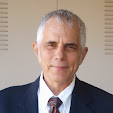
Another great discussion courtesy of ONCLIVE with 4 top CLL experts, from left to right: Drs. Byrd, Furman, Ma, and Kipps.
This time they discuss immune thrombocytopenia (immune mediated low platelet count) or ITP.
ITP is where our immune system attacks our platelets. Just our luck, our wimpy inadequate immune system that can't alway respond to an infection or a vaccine or a secondary cancer, whips into high gear to attack its own cells.
In extreme cases it can lead to live threatening bleeding. It is well recognized complication of CLL occurring in < 5% of us, but as the doctors imply, I suspect many mild cases go unrecognized.
When the same process attacks our red blood cells, sometime leading to a dangerous anemia, it is called AIHA for the auto-immune hemolytic anemia. ITP is the platelet version of the same issue. Attacks on the neutrophils and multiple blood cells lineages also occur, but are more rare.
ITP is a subject near and dear to my heart.
About one year after my diagnosis with CLL, I remember being on call for my medical group and waking to the phone in the middle of the night. It was my exchange. I had asked my family doctor to order a CBC that morning because I had noticed some easy bruising and petechiae (tiny red dots caused by small hemorrhages often associated with low platelets) on my legs.
MEDICAL EXCHANGE: Dr. Koffman please.
ME: Yes. It's me.
MEDICAL EXCHANGE: We have a critical lab result ........ on Brian Koffman. A platelet count on 9.
ME: Thanks. I will definitely follow-up on this.
And I did. It was 6 they next morning and I was hospitalized for IVIG and steroids. It bounced up in 48 hours but because of my recurrently dangerously low platelets I would go on to five emergency admissions in the next year, multiple outpatient infusions, and an urgent laparoscopic splenectomy where I lost half my blood. I failed steroids, rituximab, IVIG, cyclosporin and the splenectomy.
What finally worked post splenectomy was a combination of cyclosporin (an immune suppressing drug used today mostly to prevent rejection of kidney and other transplants) and rituximab that was recommended by Dr. Byrd. The combo's effects were nothing short of amazing, especially considering that both drugs on their own had had no benefit in raising my counts. On the combo my platelets climbed from single digits to above normal (not uncommon when you have no spleen).
And the combination of cyclosporin and rituximab had the surprising and joyous bonus of reducing my bone marrow involvement with CLL down from 90% to 3%.
There are some case reports in the medical literature of cyclosporin having antileukemic activity, but it generally avoided due to the fact we are already immune suppressed and it can cause significant problems including renal disease, hypertension and aggressive gout.
It was my dangerous and refractory ITP more than my CLL that drove me to a first remission transplant.
That didn't work either, and my ITP was back one year post HSCT.
That were difficult times.
Despite the risks and side effects, it was only about none months ago, after almost two years on ibrutinib and with years of normal platelet counts under my belt, that I finally had the courage to taper off my cyclosporin. I feel it had helped save my life and I worried about stopping it.
But I did and I have done great since.
A few comments from one who's been there and done that. Yes, I know that one case is not data, but it can be a cautionary and instructive tale.
For obvious reason and because it is part of some of the guidelines, I would ask the doctors in the panel to add cyclosporin to their list of second line options for ITP. I would certainly use it well before the extremely immune suppressive alemtuzumab (CAMPATH) that knocks out both T and B cells for a very long time or splenic radiation that has a host of short and long term complications.
I would also remind us all that the surgery does not always go well, though laparoscopic is clearly the way to go. The research tells us that the best predictor of outcome is the experience of the surgeon. Though it didn't work for me, I have no regrets about my surgery.
I would also ask my colleagues to comment on just how difficult it can be to get us off steroids and not have the ITP return.
The data on ibrutinib is encouraging and makes sense from a biological point of view, but it is not 100% effective.
Overall, a very helpful and well considered discussion on a very important and scary topic. As we might expect, while there is much consensus, there is significant polite disagreement on how to proceed.
It is such a blessing to not have to live in fear of what my weekly or twice weekly blood test would reveal. Showing up at the lab, not knowing whether I was OK or I was headed to the hospital.
That's all in my distant past now.
Still, as all of us with cancer know, we are always looking over our shoulder, wary of the return of our past tormentors,
This time they discuss immune thrombocytopenia (immune mediated low platelet count) or ITP.
ITP is where our immune system attacks our platelets. Just our luck, our wimpy inadequate immune system that can't alway respond to an infection or a vaccine or a secondary cancer, whips into high gear to attack its own cells.
In extreme cases it can lead to live threatening bleeding. It is well recognized complication of CLL occurring in < 5% of us, but as the doctors imply, I suspect many mild cases go unrecognized.
When the same process attacks our red blood cells, sometime leading to a dangerous anemia, it is called AIHA for the auto-immune hemolytic anemia. ITP is the platelet version of the same issue. Attacks on the neutrophils and multiple blood cells lineages also occur, but are more rare.
ITP is a subject near and dear to my heart.
About one year after my diagnosis with CLL, I remember being on call for my medical group and waking to the phone in the middle of the night. It was my exchange. I had asked my family doctor to order a CBC that morning because I had noticed some easy bruising and petechiae (tiny red dots caused by small hemorrhages often associated with low platelets) on my legs.
MEDICAL EXCHANGE: Dr. Koffman please.
ME: Yes. It's me.
MEDICAL EXCHANGE: We have a critical lab result ........ on Brian Koffman. A platelet count on 9.
ME: Thanks. I will definitely follow-up on this.
And I did. It was 6 they next morning and I was hospitalized for IVIG and steroids. It bounced up in 48 hours but because of my recurrently dangerously low platelets I would go on to five emergency admissions in the next year, multiple outpatient infusions, and an urgent laparoscopic splenectomy where I lost half my blood. I failed steroids, rituximab, IVIG, cyclosporin and the splenectomy.
What finally worked post splenectomy was a combination of cyclosporin (an immune suppressing drug used today mostly to prevent rejection of kidney and other transplants) and rituximab that was recommended by Dr. Byrd. The combo's effects were nothing short of amazing, especially considering that both drugs on their own had had no benefit in raising my counts. On the combo my platelets climbed from single digits to above normal (not uncommon when you have no spleen).
And the combination of cyclosporin and rituximab had the surprising and joyous bonus of reducing my bone marrow involvement with CLL down from 90% to 3%.
There are some case reports in the medical literature of cyclosporin having antileukemic activity, but it generally avoided due to the fact we are already immune suppressed and it can cause significant problems including renal disease, hypertension and aggressive gout.
It was my dangerous and refractory ITP more than my CLL that drove me to a first remission transplant.
That didn't work either, and my ITP was back one year post HSCT.
That were difficult times.
Despite the risks and side effects, it was only about none months ago, after almost two years on ibrutinib and with years of normal platelet counts under my belt, that I finally had the courage to taper off my cyclosporin. I feel it had helped save my life and I worried about stopping it.
But I did and I have done great since.
A few comments from one who's been there and done that. Yes, I know that one case is not data, but it can be a cautionary and instructive tale.
For obvious reason and because it is part of some of the guidelines, I would ask the doctors in the panel to add cyclosporin to their list of second line options for ITP. I would certainly use it well before the extremely immune suppressive alemtuzumab (CAMPATH) that knocks out both T and B cells for a very long time or splenic radiation that has a host of short and long term complications.
I would also remind us all that the surgery does not always go well, though laparoscopic is clearly the way to go. The research tells us that the best predictor of outcome is the experience of the surgeon. Though it didn't work for me, I have no regrets about my surgery.
I would also ask my colleagues to comment on just how difficult it can be to get us off steroids and not have the ITP return.
The data on ibrutinib is encouraging and makes sense from a biological point of view, but it is not 100% effective.
Overall, a very helpful and well considered discussion on a very important and scary topic. As we might expect, while there is much consensus, there is significant polite disagreement on how to proceed.
It is such a blessing to not have to live in fear of what my weekly or twice weekly blood test would reveal. Showing up at the lab, not knowing whether I was OK or I was headed to the hospital.
That's all in my distant past now.
Still, as all of us with cancer know, we are always looking over our shoulder, wary of the return of our past tormentors,
Labels: alemtuzumab, Chronic lymphocytic leukemia, CLL, cyclosporin, Dr. Byrd, Dr. Furman, Dr. Kipps, Dr. Ma, immunity, ITP, ONCLIVE, Rituximab, steroids
posted by Brian Koffman at
7:48 AM
3 Comments