Use of CME (Continuing Medical Education) to impact self-reported changes in the evaluation and management of anaemia in geriatric patients: An important topic for those of us with CLL (chronic lymphocytic leukemia)
Honestly,
most of my fellow family doctors (FP) know very little hematology. This may be even more true of
other primary care providers.
The ABFM board exams for family doctors dedicated a whopping 1% of all the questions to
hematology- that is for everything from a simple iron deficiency anemia to a
life threatening acute leukemia. Not much incentive to become expert.
As
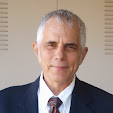
one of the few FP who lives and breathe heme with a deep and abiding personal
stake in making sure that all things blood related are done right, and also as doctor with a long
background in teaching, in fact a masters of science degree in Medical
Education (all my initials are MDCM FCFP, DABFP, MS Ed), this publication
on teaching my colleagues about the importance of anemia in the elderly and all the work
that lead up to it definitely was a topic in my wheelhouse.
I
was lucky to be involved in all ages of this effort: helped with the content development and served as faculty for all the live
presentations to thousands of primary care providers across the country and worked on the very cool mobile app: Anemia Algorithm. Click here for the iPhone and here for the Android downloads (>15,000 total downloads). Finally I co-authored what culimated in the actual peer
reviewed publication.
The
take away message of all our educational effort is that anemia (or if you prefer the British: anaemia) is not
a normal part of aging, shouldn't be ignored and is often related to bone
marrow issues that can be helped by a hematologist.
Sadly,
MDS (myelodysplastic syndrome) is too often missed by my fellow doctors.
MDS are a group of bone marrow disorders in which the bone marrow is
dysfunctional, cancerous, and does not produce adequate healthy blood
cells resulting in either anemia or infections or bleeding problems
or in more difficult cases, dangerous combination of all three, depending on what hematopoietic stem
cell line or lines are effected. This is an increasingly real and common
concern for us CLL patients as we live longer, especially those of
us who have had chemotherapy. Past history of chemotherapy is a long recognized risk factor for
developing MDS. Please take a listen to this ASH 2012 prior post on CLL and MDS from one
of my co-authors, Dr. David Steensma who is a recognized world expert on MDS
and geriatric anemia. My other co-authors are Jill Hays and
Kathy Farmer with whom I worked at Primary Care Network on CME, and Betsy
Dennison who besides doing CME and patient education, works with the
CLL Society. I am lucky to be part of such a fine team of researchers and educators.
We wanted to measure if we made a difference through continuing medical education in patients' lives, and looks like we did. That is the subject of our publication.
Subsequently, I
have stepped away from much of what I do in non-CLL related medical education to be able
to volunteer more of my time to the nonprofit CLL Society, but I wanted to share
some of the past work that I have done to educate my fellow doctors over the
past several years. I am very proud of these educational endeavors and they
clearly inform all that I do on the blog and even more so now on our new website,
CLLSociety.org. The new website is dedicated to educational efforts that
move the bar higher by first surveying and assessing what is needed in the CLL
community, teaching to those needs and following up to see if we made impact.
As a doctor, a patient and an educator, I and the rest of the CLL Society team try to reach beyond journalism to education, support, research, and advocacy, not just posting pleasant videos that report good news, but digging to point out the good and bad that might have serious treatment implications for us CLL patients. We have an vision: smart patients get smart care.
Labels: ASH 2012, Chronic lymphocytic leukemia, CLL, CME, Dr. Steensma, http://cllsociety.org, MDS
posted by Brian Koffman at
2:08 PM
0 Comments