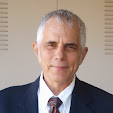
Learning from and about cancer (chronic lymphocytic leukemia or CLL) by Dr. Brian Koffman
What started as a personal journey of a doctor turned patient morphed into a way to share what’s universal in dealing with cancer, in my case a nasty leukemia (CLL), a failed transplant and a successful clinical trial. The telling of my journey has become a journey to teach about CLL, related blood issues and all cancers. Please visit our new website http://cllsociety.org for the latest news and information. Smart patients get smart care™. If you want to reach me, email bkoffmanMD@gmail.com
Wednesday, October 28, 2015
New Immune clinical trials and an explanation of cellular immunity in CLL ( chronic lymphocytic leukemia)
1. An interview with Dr. John Gribben whom I interviewed at the CRC (CLL Research Consortium) Scientific Meeting in San Diego in April 2015. We discussed his approach to cellular immunity and T cell function in CLL. Please take a look here to see the interview.
2. A patient-friendly summary of three new Immune Antibody clinical trials from MD Anderson Cancer Center. These investigator-initiated trials are exploring how activation of the immune system may lead to killing of CLL cells. You can read more about these interesting trials here.
This Fall has been incredibly busy so far, between traveling to Australia for the iwCLL meeting and an Australian patient support meeting, publishing our first issue of The CLL Tribune, and traveling to Brooklyn for the North American Educational Forum on Lymphoma hosted by the Lymphoma Research Foundation.
Now we're preparing to go to the American Society of Hematology Annual Meeting in Orlando, FL and putting together the next issue of The CLL Tribune, due out after ASH. If you haven't had a chance to peruse the first issue, you can access it here.
If you have questions you like addressed in future newsletters, OR would be willing to answer 5 questions in our Reader Poll about the CLL Society website, OR would be interested in writing an article for future newsletters, please go to the Ask & Tell section. Our goal is to fulfill the unmet needs of the CLL community, so we always welcome your feedback and questions.
SAVE THE DATE: If you live in the Los Angeles area, please consider attendinga post-ASH patient education forum and CLL Society LA support group launch in conjunction with City of Hope scheduled for Saturday, Dec. 12, 2015. A flyer with more details will be posted in the next week or 2.
Finally, if you are reading this on blog and haven't already, please sign up here. Also, please forward this email to a fellow patient or caregiver who might benefit from knowing more about CLL.
Another reason to make sure all the folks that might be helped sign on is that we will be posting a backlog of great lectures and interviews and articles on CLL over the next few months leading up to ASH and this alert is your best friend in knowing what new material we have posted.
ASCO 2014: Dr. Sharman Reviews the Results and Implication of a Single Agent Obinituzumab Poster in CLL (chronic lymphocytic leukemia)
Another audio interview from ASCO 2014, this time with the ubiquitous Dr. Jeff Sharman, who with his work heading up a large national CLL/NHL research group, has brought us several important clinical results that has advanced our understanding of treatment options and provided directions for further research.
Here he is part of a group with Dr. Joe Flynn as the lead author, studying two different doses of the fully humanized monoclonal type II antibody directed against CD20 (same target used by rituximab and oaftumumab) known as obinituzumab, also known as (AKA) GA101and AKA Gazyva used in this trial as single agent.
The abstract shows a strong trend to a better response with the higher dose, especially as regards complete responses. This is not surprising when we know from a dose escalation trial of rituximab published in 2001 from Dr. Susan O'Brien (mentioned in the interview by Dr. Sharman), that when it comes to antibodies, more is better.
Makes sense based on what we know about how these antibodies work. There are billions of B cells and only so much antibody. When they are all "bound up", there are none left.
There is also research now looking to see if there is similar dose response relation with CAR-T therapy: the more chimeric T-cells, the better, though the story here is much more complicated as it seems CAR-T cells are serial killers.
Dr. Kipps and I also discussed this same paper and the difference between Type 1 and Type 2 antibodies here. Dr. Jennifer Brown discusses earlier research on GA101 at ASH 2013 and the different types of antibodies here. And here are the details of its FDA approval and some of my comments only published only a little more than a year ago.
What a great year it has been for those of us touched by CLL! We are all on a fast moving train and while cure is still a distant light in the tunnel, long lasting low toxicity disease control for most of us may be a whistle stop that we blown past some time without even noticing some time last year.
Here's hoping.
Enjoy the audio interview with Dr. Sharman.
Thank you for putting up with all the pops and hisses again. I promise that they will be a thing of the past once I finish uploading the audio from ASCO 2014 and move forward to ASH 2014 and beyond.
Stay tuned as we have big plans that I will be announcing here soon that will improve our options for education and support for all of us with CLL and related B cell lymphomas in the near future.
Celebrating My Two Year Anniversary Today on Ibrutinib for My CLL (chronic lymphocytic leukemia)
Much has happened in the last two years, most of it very good.
On a personal note, I swallowed my first 3 battleship grey capsules of PCI-32765 (it wasn't even called ibrutinib yet) on May 7, 2012 in a Phase I/II clinical trial at OSU with Dr. Byrd.
Two years later my lymph nodes have shrunk to less than 1/2 their size with the possibility that all that remains on the CT scans is the scarred shells of what used to be cancerous nodes.
Today, to find any CLL in my blood, you can no longer rely on the standard bloods test but must do the vey sensitive flow cytometry to find the < 0.3% of cells that are still clonal.
My latest bone marrow biopsy was 15 months ago in Feb. 2013 and even back then it showed only 4% CLL by flow cytometry down from between 10%-20% a year earlier.
I am clearly in a very deep and deepening remission.
I am very grateful.
On a community note, ibrutinib, the first in class signal blocker (BTK) for CLL, received breakthrough approval in the USA for anyone who has tried at least one prior therapy based on its outstanding safety and efficacy data in all patient groups, including those with 17p deletions and other hard to treat clones. But it is broadly available to any of us who have tried but not necessarily failed just one prior therapy.
Obinutuzumab, a potent 3rd generation monoclonal antibody (mAb) is now on the market and is getting complete remissions with the wimpy help of a touch of chlorambucil in clinical trials. Clearly it is this new mAB that is doing the heavy lifting.
Idelalisib, another exciting targeted oral medication, should be approved later this year based on its stellar efficacy results in pivotal trials with few adverse events.
ABT-199 is proving to be perhaps the most potent oral agent yet in difficult to that patients.
ONO (ONO 4059) and Infinity (IPI 145) and others have very promising signal blockers well into development.
ROR1 trials are just beginning and should offer laser like focusing and very little off target damage.
CAR-T therapy has pulled a handful of patients from near death to deep remissions.
I was revising a 2012 CME (continuing medical education) on CLL program that I will be giving in Baltimore in June and realized just how far we (and I personally have) have come.
I am very grateful.
After all, we are all in this together.
I think I''ll enjoy some home made coconut milk yogurt to celebrate the amazing progress.
ASCO 2013: Dr. Wierda Discusses Immune Therapies in CLL
In this first of several interviews from ASCO 2013, Dr. Bill Wierda of MDACC discusses immunity in general (or lack there of) in CLL and how that relates to the coming immune therapies.
He starts by explaining the basic difference between passive and active immune therapies.
His candid review of the trials so far points out the recurrent disappointments in the attempts to develop active immune therapies.
The story with passive immunity has had more success.
Monoclonal antibodies (mAb) such as rituximab or alemtuzumab were the pioneers of targeted immune therapy and have in many cases improved outcomes when added to chemotherapy without significantly increasing toxicity. Newer mAbs hold the promise of even deeper responses with few of the downsides of traditional chemotherapy and may even prove to work well without the addition of cytotoxic chemotherapy. Already useful examples include Rituximab and Revlimid or lenalidomide (R2) and the combo of HDMP (high dose methylprednisilone) + Ofatumumab. Powerful therapies with no chemo.
GA101 or obinutuzumab, a third generation anti CD20 mAB had received breakthrough status at the FDA and may be approved before the end of the year. The early data suggest this is both a potent and well tolerated treatment, hence the rush to get it to the clinic.
Passive immunity also includes the exciting CAR-T therapies that Dr. Wierda discusses. These are still in very early trials, but a few cases such as those out of U. Penn have seen spectacular saves when patients had all but ran out of all conventional options.
Immune modulating drugs (IMIDS) such as lenalidomide are in the early days of studies to figure out how they fit into the therapeutic landscape, but are clearly active in CLL and may improve some aspects of our impaired immunity,
This segues to another topic that gets Dr. Wierda really excited.
He tells of his research into ways to improve our immunity, to reconstitute our lost ability to fight off infections and to search and destroy the earliest microscopic cancers before they can grab hold and cause problems. Infections and secondary cancers are what kill those of us with CLL, and Dr. Wierda is fighting for ways not only to knock out our blood malignancy, but to also prevent us from dying not from our cancer itself, but from the damage the CLL (and its treatment) have already done to our ability to protect ourselves from infections and secondary malignancies.
This interview is from ASCO 2013 in June in Chicago.
It was great fun working with Andrew Schorr and the dedicated team from Patient Power in doing these interviews. I am grateful for their efforts and support and the willingness of the doctors to share their work at such a busy conference.
Look for more CLL interviews here over the next few weeks and keep checking Patient Power for other interviews that Andrew and I did on other cutting edge treatments for different cancers at ASCO in Chicago. Many of these have direct implications for how CLL may be treated in the future.
Here is Dr. Wierda:
Tomorrow it will be a full six weeks since my last IVIG infusion and blood draw. This is the longest I have gone without IVIG in the last six years and the longest I have gone without lab test since my first year with CLL.
ASH 2012: Dr. Wierda and Practical Advice on CAR-T Trials
In part two and final part of my interview from ASH 2012 with Dr. Wierda from MD Anderson (please see part one first to get oriented) talks about some of the practical issues, upcoming trials, and possible role of CAR-T in conjunction with the new TKIs (tryosine kinase inhibitors).
In effect, Dr. Wierda is painting a picture where a small molecule such as ibrutinib or idelalisib or ABT-199 or AVL-292 or others in the pipeline is being used to reduce the amount of disease (cytoreduction) and then adding CAR-T therapy instead of the riskier allogeneic transplant to get rid of the nagging residual disease that seems to be left by all these drugs, and with that two step chemo-free process offering the real possibility of a cure for our CLL.
As he stated, this are still many active area of research. Here's some issues that are near and dear to me.
Why the small molecules seem to move so slowly at ridding the body of all traces of disease- maybe we are just not waiting long enough or maybe it doesn't matter? It doesn't seem to matter in many patients with CML treated with imatinib (Gleevec). Will it be the same with CLL?
Can CAR-T therapy replace allo-transplants and become a practical, affordable path to a cure? A one-two knock out punch?
What about the rare relapses in CAR-T therapy with the cancerous clonal evolving to express no CD-19 and thus are no longer targets for the the engineered T-cells?
What are the bridges to these new therapies while we are waiting for answers?
Let's here a surprisingly practical discussion with one of the doctors who is not only discussing but creating this new future.
Dr. Wierda had to run off after this segment, so there is no part 3.
But Drs. Furman and Wiestner still have important things to teach us from interviews at ASH 2012 that I will be posting soon.
ASH 2012: Dr. Bill Wierda on CAR-T Therapies and "Off the Shelf" T-Cells
Dr. Bill Wierda out of MD Anderson Cancer Center (MDACC) is doing important cutting edge immunological research in CLL and looking to improve and make CAR-T therapy a safer and more generic treatment option.
In the first part of my interview from ASH 2012, he explains how he is moving forward in engineering T- cells to target the CLL clone and spare the normal B-cells.
These are early days, but there is surely a vision of an exciting future that is becoming clearer and brighter. Think of these souped-up T-cells doing the work of an allogeneic transplant without all the associated risks. Imagine them seeking and destroying our cancer cells and passing harmlessly by our normal cells.
Dr. Wierda does not minimize the risks or the work left to be done, but the journey has begun. There have been startling successes at U. of Penn and MDACC and UCSD and collaborating on finding better targets to attack and quicker and cheaper ways to engineer these killing machines.
This work is particularly important because since it was recorded, it has been revealed that some patients with CAR-T directed against CD19 are relapsing because the clone is losing its CD19. Clever nasty cancer.
Poor patients now not only have an aggressive CLL relapsing, they also have no B cells and next to none antibodies, probably forever.
In this short final segment from my ASH 2012 interview, Dr. Kipps explains an exciting new target for CLL, ROR1 that seems to almost exclusively exist on cancer cells, making it an extremely attractive target for a vaccine, a monoclonal antibody, or CAR-T therapy.
Please excuse the bursts of static.
Soon I will be ASH 2012 interviews with Drs. Wierda on CAR-T, Dr. Furman on his experience in the early trials with the TKIs, and an overview with Dr. Wiestner.
ASH 2012: Dr. Tom Kipps on Genetics, Epigenetics, and Targeted Therapy
In the third of a four part interview with my CLL doctor, Dr. Tom Kipps out of UCSD, we hear him present a vision of the future of "personalized" cancer therapy in general and CLL in particular.
But he also tells us what targeted therapies are available right now in clinical trials near you.
In CLL, it is less about the genetic code and more about the epigenetics. This crucial and relatively recent understanding has been critical in advancing therapies because the pinpoint DNA damage seen in CML such as the telltale fused Philadelphia chromosome are frustratingly less of a glaring target in CLL. However, when the researchers instead started identifying the overly activated pathways in our clonal B cells, the progress sped up in decoding and quickly thereafter, controlling our disease. Dr. Kipps walks you through the difference in these approaches.
Dr. Sharman talks about this insight in one of my prior post, and here Dr. Kipps makes it all easy to understand. He also explains combination therapies, the importance of the new and old generations mAbs (monoclonal antibodies) including 1st generation rituximab, 2nd generation ofatuzamab, and the promise of the powerful 3rd generation GA-101 or another mouthful of a name, obinutuzumab, all directed at CD20, re-use of some drugs already approved for other cancers, and CAR-T therapy
Eleven minuted well spent. Dr. Kipps breaks it all down into bite size pieces.
Learn and enjoy:
Part Four with Dr. Kipps will be coming soon and I still have Drs. Wiestner and Furman in the video vault. ASH 2012 was an amazing meeting, jam-packed with hope and good news for those of us with CLL.
Personal notes:
I am still waiting for my final bone marrow biopsy report from OSU done Feb 5, 2013. FISH and cytogenetics should be back by now, and I hate the suspense.
Back home from studying hematology for hematologists at the 17th Annual International Congress on HematologicMalignancies – Focus on Leukemias, Lymphomas, and Myeloma in Manhattan and the MDACC hematology board reviews, so I can be more fluent in speaking about the buzz around small molecules such as ibrutinib, ABT-199 and idelalisib in treating other B-cell lymphomas in particular and blood cancers in general.
I will also return to posting more on the personal and human aspects of dealing with an incurable cancer, but for right now, my priority is to get all the remaining ASH 2012 videos online over the next few weeks.
Next weekend, I am off to Washington DC to lecture to the National Sleep Foundation on "The Sleepy Patient". Then I am home for several weeks in a row. Yeah!
In the spring and fall, I will be flying all over the place again teaching other doctors about anemia (MDS or myelodysplastic syndrome that can be a challenging late complication of CLL and some of the chemotherapy used to treat it), gout and thyroid disease. I will be posting my ASH 2012 interviews with Dr. Steensma on MDS here soon.
For any health care providers reading this blog, and to anyone else interested, for another few weeks until March 6, 2013, at Primary Issues, an online medical journal, you can receive ACCME accredited CME on the recognition and early lab testing of CLL or just learn from my article and interviews with Drs. Wiestner and Kipps done at ASH 2011. That San Diego meeting 14 months ago is where I made the fateful decision to enroll in the clinical trial NCT01217749 at OSU that has served me so well.
My love is teaching and my special love is teaching hematology and making sure that the patients and their providers are teamed together to offer the best possible care for each individual case. That's what I want to do more and more.
I am hoping to find some funding do more of these interviews and news coverage for patients and healthcare providers alike, to expand beyond the big ASH meeting to ASCO and IWCLL and more. Next up will be ASCO at the end of May, where I bet there will be important updates on ibrutinib, idelalisib, ABT-199, obinutuzumab and others.
ASH 2012: Dr. John Byrd Part 3 Accrual Issues in Clinical Trials, Transplant, CAR-T, the Rare Relapses, and Biological Combination
We are still in Ireland having an amazing time so I will be brief in posting the third of a four part ASH 2012 interview with Dr. Byrd. In this segment we are getting into some of the gritty details of treatment with ibrutinib. For the cognoscenti, this may add to your knowledge base. For those new to the ibrutinib story, I suggest you review my early ASH 2012 interviews with Dr. Pagel and the first two parts to this interview in my earlier posts. To my non-CLL friends, I guarantee that soon I will share some amazing craic, photos, and video from Ireland. but right now, I am just having way too good a time to devote much attention to the internet.
I am still traveling, now in Ohio staying with friends for my OSU clinic visit with Dr. Byrd tomorrow. I am expecting that my mildly elevated neutrophils on my last blood draw will turn out just be an unexplained blip. I have other results from that prior visit that I need to discuss here too, but my personal story needs to take a backseat to the wonderful news from ASH for now.
I also have a photo shoot with the doctor, so I need my rest to look my best. More on that later.
When I am home, I will report in much greater detail on ASH 2012, Atlanta, GA, but I want to rush the news out about the big picture as soon as possible, so let me share some overarching highlights as I see them without the stats and scientific explanations behind them.
There has never been a year like this for those of us with CLL.
There is a palpable excitement and consensus among all the CLL doctors that treatment is radically changing for the better: a paradigm shift in therapy with the end of most chemotherapy possible in the next few years.
These new players are mostly oral therapies and are NOT traditional killers of rapidly dividing cells as is traditional chemo, but rather targeted biological drugs.
The stars of this sea change are GS1101 (formerly CAL-101), ibrutinib (formerly PCI-32765). and probably the least publicized member of this triumvirate, ABT-199 (a Bcl-2 blocker with amazing but less mature results).
Responses rates with these drugs in all comers, including the worst of the worst (think 17p del and refractory patients), are nothing short of astounding with progression free survivals in some treatment naive cohorts at 96% at about two years.
Responses get better, not worse, the longer we take these meds.The Kaplan-Meir curves are not falling. Relapses are remaining rare events, al least in the short term. We need longer follow-up for sure, but there is no signal that trouble is brewing,
Side effects are minimal and may actually decrease the longer we are on the medications.
The bone marrow is spared and infections at least with ibrutinib are not increased. Blood counts may actually improve with treatment.
With ibrutinib, there is some reason to believe immunity might improve
The data keeps just keeps getting better and better.
Much more to share about CAR-T, "off the shelf" CAR-T, GA-101, lenalinomide, the benefits of ASA and curcumin, and new encouraging data on 11q del, but I am badly sleep deprived so I am quitting here. Plus I need my beauty sleep for my photos.
Trust me that when I do fill in the details you will feel the same excitement that I felt humming in the air in Atlanta.
There is never a good time to get CLL, but there has never been a better time to get CLL.
BkoffmanMD@gmail.com
A family doc and husband of 1 and father of 4 and grandfather of 3 who loves his family and his work. I live with no TV and no microwave, but wouldn't last a minute without friends, art, music, books and the beach. Hockey, good jokes and exotic travel are pretty important too. Writing, Talmud and Zen give meaning to my life. My diet is organic vegan, often raw. I hope the blog makes the load lighter and the path both safer and more fun for those who read it or are going to similar places. I want to help. I crave your comments. If you are new to the blog, check out the portrait my son Will painted (it is the first post), and my very first text post.