ASCO 2014: Dr. Sharman Reviews the Results and Implication of a Single Agent Obinituzumab Poster in CLL (chronic lymphocytic leukemia)
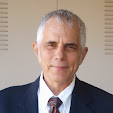
Another audio interview from ASCO 2014, this time with the ubiquitous Dr. Jeff Sharman, who with his work heading up a large national CLL/NHL research group, has brought us several important clinical results that has advanced our understanding of treatment options and provided directions for further research.
Here he is part of a group with Dr. Joe Flynn as the lead author, studying two different doses of the fully humanized monoclonal type II antibody directed against CD20 (same target used by rituximab and oaftumumab) known as obinituzumab, also known as (AKA) GA101and AKA Gazyva used in this trial as single agent.
The abstract shows a strong trend to a better response with the higher dose, especially as regards complete responses. This is not surprising when we know from a dose escalation trial of rituximab published in 2001 from Dr. Susan O'Brien (mentioned in the interview by Dr. Sharman), that when it comes to antibodies, more is better.
Makes sense based on what we know about how these antibodies work. There are billions of B cells and only so much antibody. When they are all "bound up", there are none left.
There is also research now looking to see if there is similar dose response relation with CAR-T therapy: the more chimeric T-cells, the better, though the story here is much more complicated as it seems CAR-T cells are serial killers.
Dr. Kipps and I also discussed this same paper and the difference between Type 1 and Type 2 antibodies here. Dr. Jennifer Brown discusses earlier research on GA101 at ASH 2013 and the different types of antibodies here. And here are the details of its FDA approval and some of my comments only published only a little more than a year ago.
And if that's not enough background, here is an editorial from Blood 2012.
What a great year it has been for those of us touched by CLL! We are all on a fast moving train and while cure is still a distant light in the tunnel, long lasting low toxicity disease control for most of us may be a whistle stop that we blown past some time without even noticing some time last year.
Here's hoping.
Enjoy the audio interview with Dr. Sharman.
Thank you for putting up with all the pops and hisses again. I promise that they will be a thing of the past once I finish uploading the audio from ASCO 2014 and move forward to ASH 2014 and beyond.
Stay tuned as we have big plans that I will be announcing here soon that will improve our options for education and support for all of us with CLL and related B cell lymphomas in the near future.
Here he is part of a group with Dr. Joe Flynn as the lead author, studying two different doses of the fully humanized monoclonal type II antibody directed against CD20 (same target used by rituximab and oaftumumab) known as obinituzumab, also known as (AKA) GA101and AKA Gazyva used in this trial as single agent.
The abstract shows a strong trend to a better response with the higher dose, especially as regards complete responses. This is not surprising when we know from a dose escalation trial of rituximab published in 2001 from Dr. Susan O'Brien (mentioned in the interview by Dr. Sharman), that when it comes to antibodies, more is better.
Makes sense based on what we know about how these antibodies work. There are billions of B cells and only so much antibody. When they are all "bound up", there are none left.
There is also research now looking to see if there is similar dose response relation with CAR-T therapy: the more chimeric T-cells, the better, though the story here is much more complicated as it seems CAR-T cells are serial killers.
Dr. Kipps and I also discussed this same paper and the difference between Type 1 and Type 2 antibodies here. Dr. Jennifer Brown discusses earlier research on GA101 at ASH 2013 and the different types of antibodies here. And here are the details of its FDA approval and some of my comments only published only a little more than a year ago.
And if that's not enough background, here is an editorial from Blood 2012.
What a great year it has been for those of us touched by CLL! We are all on a fast moving train and while cure is still a distant light in the tunnel, long lasting low toxicity disease control for most of us may be a whistle stop that we blown past some time without even noticing some time last year.
Here's hoping.
Enjoy the audio interview with Dr. Sharman.
Thank you for putting up with all the pops and hisses again. I promise that they will be a thing of the past once I finish uploading the audio from ASCO 2014 and move forward to ASH 2014 and beyond.
Stay tuned as we have big plans that I will be announcing here soon that will improve our options for education and support for all of us with CLL and related B cell lymphomas in the near future.
Labels: ASCO 2014, CAR-T, Chronic lymphocytic leukemia, CLL, dosing, Dr. Sharman, GA-101, GA101, Gazyva, interviews, obinutuzumab, ofatumumab, Rituximab
posted by Brian Koffman at
8:55 AM
0 Comments